Floating Solar vs Ground-Mounted Solar: Which is Better for Your Project?
Introduction
As the demand for renewable energy grows, businesses and industries are increasingly exploring solar power solutions. Two of the most popular options are Floating Solar System Solutions and traditional ground-mounted solar systems.
But which one is better for your project? The answer depends on several factors such as land availability, budget, efficiency, and long-term goals. At Deservior Industries Pvt. Ltd., we help clients choose the right solution by offering advanced Floating Solar System Solutions in India tailored to their needs.
What is Floating Solar?
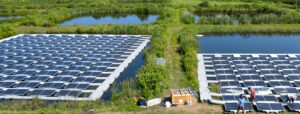
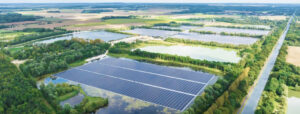
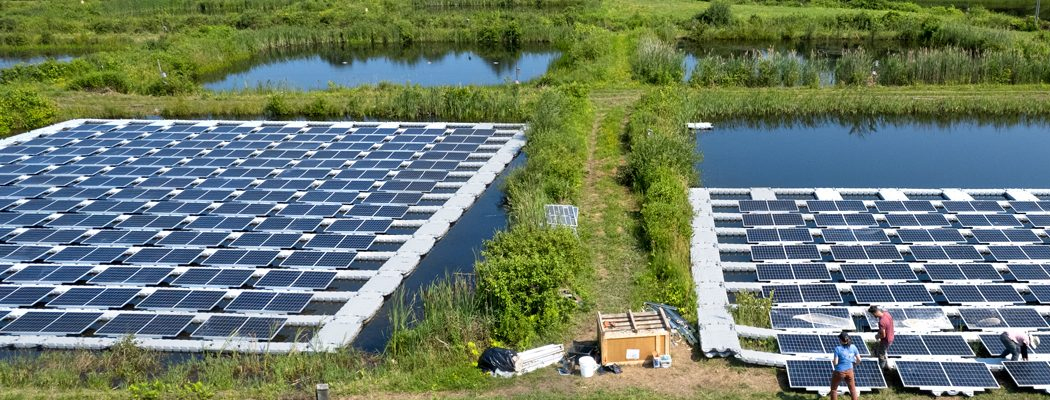
Floating Solar System Solutions involve installing solar panels on water bodies such as lakes, reservoirs, dams, and industrial ponds. These systems use specially designed floating structures to support solar panels, enabling energy generation without using land.
What is Ground-Mounted Solar?
Ground-mounted solar systems are installed on land using fixed or adjustable structures. These are widely used in solar farms, industrial areas, and open land spaces.
Key Differences Between Floating Solar and Ground-Mounted Solar
1. Land Utilization
- Floating Solar System Solutions:
Utilize water bodies, saving valuable land resources. Ideal for industries with limited land availability.
- Floating Solar System Solutions:
- Ground-Mounted Solar:
Requires large land areas, which can be costly and limited in urban or industrial zones.
- Ground-Mounted Solar:
2. Energy Efficiency
- Floating Solar:
Panels remain cooler due to water, improving efficiency and energy output.
- Floating Solar:
- Ground-Mounted Solar:
Efficiency can decrease due to higher temperatures on land.
- Ground-Mounted Solar:
3. Installation Cost
- Floating Solar System Solutions:
Slightly higher initial investment due to floating structures and anchoring systems.
- Floating Solar System Solutions:
- Ground-Mounted Solar:
Lower upfront cost but may include land acquisition expenses.
- Ground-Mounted Solar:
4. Maintenance
- Floating Solar:
Requires specialized maintenance but benefits from reduced dust accumulation.
- Floating Solar:
- Ground-Mounted Solar:
Easier access but requires regular cleaning due to dust and debris.
- Ground-Mounted Solar:
5. Environmental Impact
- Floating Solar System Solutions:
Reduces water evaporation, prevents algae growth, and promotes eco-friendly energy.
- Floating Solar System Solutions:
- Ground-Mounted Solar:
May impact land use and local ecosystems.
- Ground-Mounted Solar:
Advantages of Floating Solar System Solutions
- Saves land and utilizes unused water surfaces
- Higher efficiency due to cooling effect
- Reduces water evaporation
- Scalable and flexible installation
- Ideal for industrial and urban applications
Advantages of Ground-Mounted Solar
- Simpler installation process
- Lower initial setup cost
- Easy access for maintenance
- Suitable for areas with abundant land
Which is Better for Your Project?
Choosing between Floating Solar System Solutions and ground-mounted solar depends on your project requirements:
Choose Floating Solar If:
- You have access to water bodies
- Land is limited or expensive
- You want higher efficiency and sustainability
- You aim to reduce environmental impact
Choose Ground-Mounted Solar If:
- You have sufficient unused land
- Budget is limited for initial investment
- Simpler installation is preferred
Why Floating Solar is the Future
With increasing land scarcity and the need for sustainable energy, Floating Solar System Solutions in India are gaining rapid popularity. Industries are shifting towards floating solar to maximize efficiency while minimizing environmental impact.
At Deservior Industries Pvt. Ltd., we are leading this transition by providing innovative and reliable Floating Solar System Solutions that meet modern energy demands.
Conclusion
Both floating and ground-mounted solar systems have their advantages, but Floating Solar System Solutions offer a smarter and more sustainable approach for the future. By utilizing water bodies and improving efficiency, they provide a powerful alternative to traditional solar installations.
Choosing the right solution depends on your project needs—but for long-term sustainability and innovation, floating solar stands out as a game-changing technology.